LEGO Scala History: From 1979 to 2001
Written by Bik Brik Editor with AI assistance and automated fact checks. Editorial policy
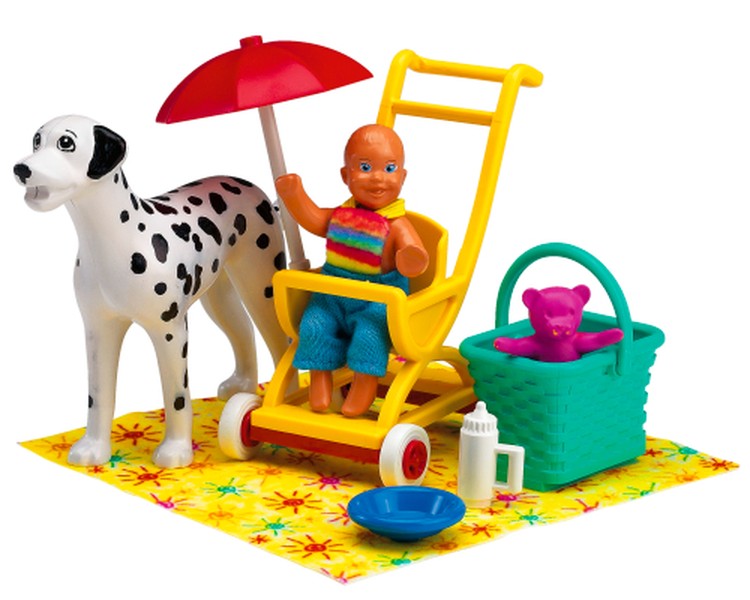
LEGO Scala spans the years 1979 through 2001, with sets from several distinct periods. Picture Frame and Mirror belongs to 1980, while Summer Day Out, 1-2-3 Marie and Indie's Stable are among the sets associated with 2001. Together, these examples illustrate the range of products and build sizes represented across the theme's history.
Key facts
- Theme
- Scala
Which periods define Scala's history?
Scala's documented span runs from 1979 to 2001, giving the theme a history that reaches across multiple product periods. The sets in the available lineup come from different years, so its story is not limited to a single final release wave. Picture Frame and Mirror, set 4336-1, belongs to 1980 and contains 48 pieces, providing an example from the earlier period represented here. At the other end, several sets dated 2000 and 2001 show products from Scala's later years. These dates help collectors place individual items within a wider historical timeline instead of treating each one as an isolated product. A set year, however, does not establish an exact day or month of release. The most useful comparison is therefore at the year-and-product level, using the official set names and numbers to keep similar entries distinct.
How do Scala's later sets compare?
The 2000 group includes Carla's Winter Camp with 303 pieces, Happy Home with 274, Puppy Playground with 44, Emma on the Move with 71, and Playroom for the Baby Thomas with 84. The 2001 group includes Summer Day Out with 22 pieces, 1-2-3 Marie with 27, Emma's Chill-Out Kitchen with 66, and Indie's Stable with 117. This spread makes piece count a useful descriptive measure, but not a complete way to judge a Scala set. The product names also show variety within the same theme. For LEGO history research, comparing the sets by year, name and piece count creates a clearer overview and helps distinguish compact builds from larger ones. It can also support collection inventories and identification checks, especially when several products from the same theme are being tracked together.
What does this mean for collectors?
Scala is best approached as a theme with products spanning multiple years, rather than as a uniform group of sets. Collectors can begin by sorting entries from 1980, 2000 and 2001, then recording each official set number, name and piece count to avoid confusing different products. Picture Frame and Mirror provides an earlier comparison point, while the sets dated 2000 and 2001 offer a view of Scala's later period. Piece count is useful for describing a set, but it does not establish condition, completeness or market value. When auditing a collection, use these details to identify the correct product before checking its actual condition and included components. That approach supports historical research and practical cataloguing without treating a release year as a prediction of future prices.
Frequently asked questions
What years does LEGO Scala cover?
Scala's documented history runs from 1979 through 2001.
Which listed Scala set has the most pieces?
Carla's Winter Camp, set 3148-1, has 303 pieces among the sets covered here.
When is Picture Frame and Mirror from?
Picture Frame and Mirror, set 4336-1, dates to 1980 and contains 48 pieces.

Comments
Comments are reviewed before they appear.