LEGO Classic Space history: 1979 to 1987
Written by Bik Brik Editor with AI assistance and automated fact checks. Editorial policy
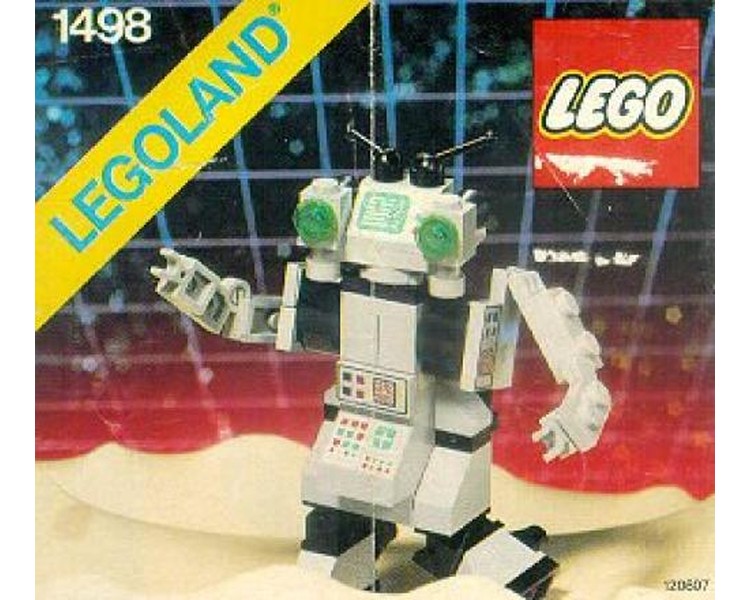
Classic Space is a LEGO space theme represented by sets from 1979 through 1987. Examples such as X1 Patrol Craft, Spy-Bot, and Polaris I Space Lab illustrate the range of models in its final year, from compact vehicles to a larger space installation, offering collectors several ways to organize a vintage collection.
Key facts
- Theme
- Classic Space
Which sets represent Classic Space in its final year?
The year 1987 marks the final year of the Classic Space period represented here, with models of varied sizes and purposes. Spy-Bot 1498-1 contains 63 pieces, while Twin Starfire 1499-1 has 89. Smaller examples include Galaxy Trekkor 6808-1 with 29 pieces, XT-5 and Droid 6809-1 with 37, Strata Scooter 6827-1 with 35, and Satellite Patroller 6849-1 with 47.
At a larger scale, Terrestrial Rover 6883-1 contains 109 pieces, while Polaris I Space Lab 6972-1 has 390. Space Value Pack 1510-1 also belongs to the 1987 group. This variety makes Classic Space interesting to organize beyond a single signature spacecraft: collectors can compare vehicles, equipment, and larger builds within the same theme.
Where does X1 Patrol Craft fit in the timeline?
X1 Patrol Craft 6861-1 dates to 1980, placing it earlier than the 1987 models in this selection. Its 55 pieces provide a useful point of comparison when looking across different periods of Classic Space. Placing it alongside Spy-Bot, Twin Starfire, or Polaris I Space Lab helps collectors distinguish sets by year and building scale rather than treating every model as a contemporary release.
Year and piece count are also practical fields for organizing a personal inventory by chronology or size. Piece count, however, is only a descriptive measure. On its own, it does not establish a set's design significance, rarity, or the condition of an individual example.
What does this mean for collectors?
Classic Space supports several collecting approaches: focusing on sets from its final year in 1987, seeking earlier models such as X1 Patrol Craft, or assembling examples across different build sizes. Polaris I Space Lab stands out by piece count among the sets discussed, while Galaxy Trekkor offers a smaller counterpart for comparison. Grouping models this way can make a collecting goal more specific than simply pursuing a famous set.
For a personal inventory, record each set's number, official name, year, and piece count separately. Also distinguish identifying information from the condition of an item being offered for sale. A model's documented specifications do not confirm that a particular example is complete, that its parts are in good condition, or that its box is present. Consistent comparisons help collectors describe and manage a collection without making assumptions about future prices.
Frequently asked questions
What years does Classic Space cover?
The period described here begins in 1979 and ends in 1987.
Which set in this selection has the most pieces?
Polaris I Space Lab 6972-1 contains 390 pieces, more than the other sets discussed in the article.
Comments
Comments are reviewed before they appear.